Can I Sue for Robocalls in Philadelphia? An In-Depth Analysis
Introduction
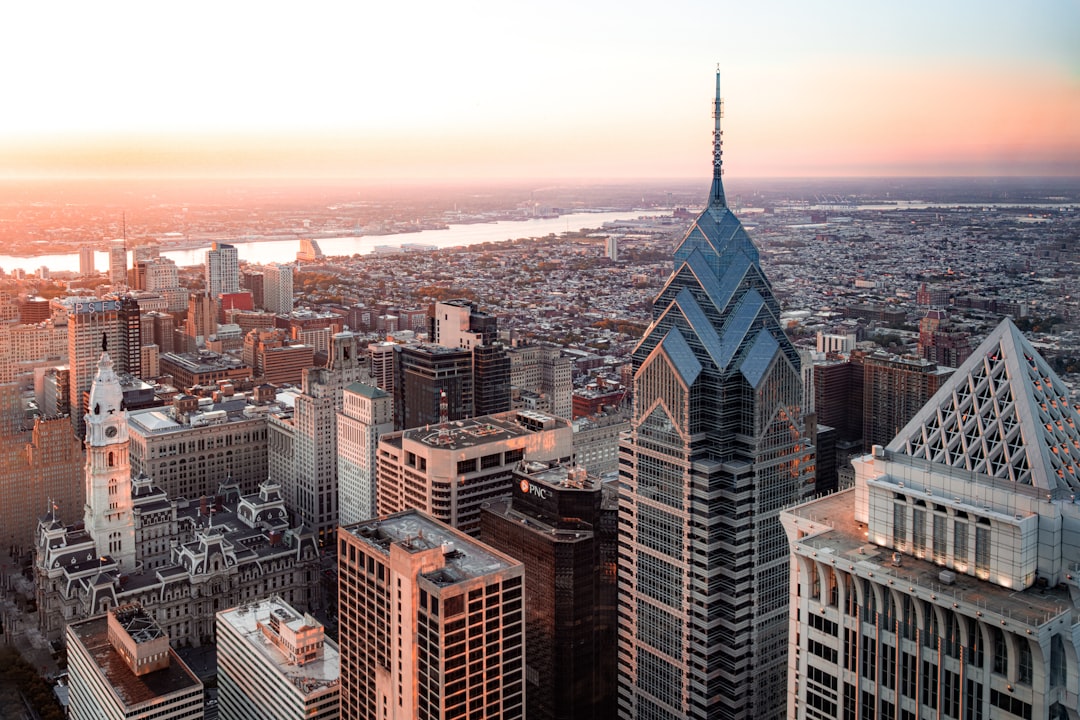
In the age of relentless telemarketing and automated sales calls, also known as robocalls, consumers across the United States, including residents of Philadelphia, are seeking legal recourse. The surge in these nuisance calls has prompted a wave of legislative responses at both federal and state levels. This article delves into the legal landscape of suing for robocalls in Philadelphia, providing a comprehensive overview of the subject. Readers will gain a clear understanding of their rights, the legal frameworks in place, and the potential remedies available to them.
Understanding Can I Sue for Robocalls in Philadelphia
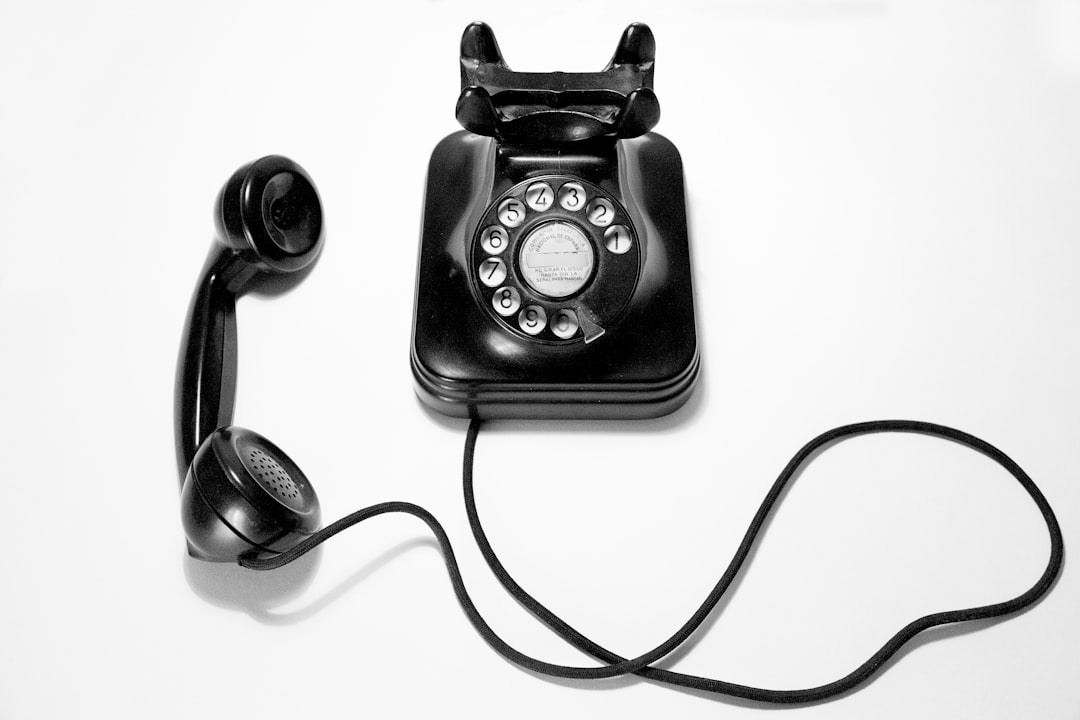
"Can I sue for robocalls in Philadelphia?" is a question that has become increasingly relevant as robocalls continue to plague consumers. To understand this issue, one must first grasp what constitutes a robocall. A robocall is an unsolicited pre-recorded message delivered via telephone to multiple recipients, often used for marketing purposes or political messaging. The Telephone Consumer Protection Act (TCPA) is the federal law that provides a framework for consumers to protect themselves against such intrusions.
In Philadelphia, as in other areas, the TCPA serves as the cornerstone of consumer protection against unwanted robocalls. It outlines specific guidelines regarding telemarketing calls and establishes penalties for violations. Individuals who receive these calls can report them to the Federal Communications Commission (FCC) or take legal action against the entities responsible for the robocalls.
Global Impact and Trends
The scourge of robocalls is not limited to Philadelphia or even the United States. It is a global issue, with countries worldwide implementing various measures to combat these automated nuisances. The rise of robocall technology has been met with equally sophisticated anti-robocalling solutions, creating an arms race between spammers and regulators.
In some regions, the volume of robocalls has led to significant legislative changes. For instance, the European Union's General Data Protection Regulation (GDPR) imposes strict rules on data protection and privacy, indirectly affecting robocall practices. In Australia, the Do Not Call Register mirrors the TCPA's intent, providing a registry from which telemarketers must exclude their call lists.
Economic Considerations
The economic implications of robocalls are multifaceted. On one hand, legitimate businesses use robocalls to reduce costs and reach potential customers efficiently. On the other hand, the sheer volume of scam or unwanted calls has led to substantial financial losses for both consumers and businesses. These losses extend beyond monetary value, as the nuisance factor can significantly impact consumer trust and satisfaction.
Moreover, the fight against robocalls has become a lucrative industry in itself. Companies specializing in call-blocking technologies and services are thriving, offering solutions to consumers and carriers alike. The economic interplay between robocall operators, those who combat them, and the affected parties creates a complex ecosystem that continues to evolve.
Technological Advancements
Technology has been both a weapon and a shield in the battle against robocalls. Advanced algorithms can now detect and flag suspicious call patterns, effectively blocking millions of unwanted calls daily. Artificial intelligence (AI) and machine learning are being employed to predict and prevent fraudulent activities associated with robocalls.
Looking ahead, we can anticipate even more sophisticated technologies that will further reduce the impact of robocalls. Innovations like voice biometrics and improved caller ID verification systems promise a future where unauthorized robocalls are nearly obsolete.
Policy and Regulation
The regulatory framework governing robocalls is complex, involving multiple layers of federal and state laws. The TCPA provides a baseline for civil litigation against robocall violators, allowing consumers to seek damages and legal fees. Additionally, the FCC has implemented various rules aimed at curbing unwanted calls, such as requiring telephone companies to implement call-blocking technologies.
At the state level, laws like Pennsylvania's own Do Not Call Act complement federal regulations, providing additional protections for consumers. These laws are subject to change as new threats emerge and technology advances, necessitating a dynamic and responsive approach to regulation.
Challenges and Criticisms
Despite the robust legal and technological frameworks in place, challenges remain. One of the primary criticisms is the difficulty in prosecuting robocall operators, many of whom operate from outside the United States and are thus harder to prosecute. Additionally, the rapid evolution of call-spoofing technology complicates the effort to distinguish between legitimate calls and illegal ones.
To address these challenges, stakeholders must collaborate more closely. This includes not only government agencies and telecommunications companies but also consumers, who play a crucial role in reporting suspicious activity and using available protection tools.
Conclusion
The question of whether one can sue for robocalls in Philadelphia is unequivocally yes, under the right circumstances. The legal system provides avenues for recourse, and technological advancements offer tools to combat these calls. However, the effectiveness of these measures is contingent upon continuous innovation, vigilance, and cooperation among all parties involved.
Consumers in Philadelphia who are plagued by robocalls should familiarize themselves with their rights under the TCPA and state laws. By staying informed and taking proactive steps to protect themselves, they can help reduce the prevalence of these intrusive calls and seek justice when necessary. As technology and regulations evolve, the hope is for a future where unwanted robocalls become a thing of the past.
June 14, 2025
Can I Sue For Robocalls Philadelphia Expert
STIR/SHAKEN, a groundbreaking protocol, tackles the widespread robocall problem in Philadelphia and across the nation by verifying caller identity through secure authentication. This initiative, led by local telecom carriers, significantly reduces unwanted calls, fostering a calmer communication env.......
Read more →
June 8, 2025
Can I Sue For Robocalls Philadelphia Expert
Robocall lawsuits are gaining traction in Philadelphia, where automated calls have become a significant nuisance. These legal actions protect consumers from deceptive or harassing robocalls by telemarketers or debt collectors, offering financial redress and deterrence. Residents experiencing repeate.......
Read more →
June 6, 2025
Can I Sue For Robocalls Philadelphia Expert
Robocalls, a growing problem in Philadelphia and nationwide, cause significant distress for consumers through privacy invasion, financial loss, and stress. Consumer protection groups educate residents on blocking and reporting these automated, unsolicited calls, collaborating with legal professional.......
Read more →
June 4, 2025
Can I Sue For Robocalls Philadelphia Expert
In Philadelphia, spam calls from law firms have become a significant issue due to the city's strong legal community. These calls often involve fake firm impersonations and high-pressure sales tactics. To combat this, Philadelphia has implemented stringent anti-spam call regulations with strict.......
Read more →
June 2, 2025
Can I Sue For Robocalls Philadelphia Expert
Robocalls are a growing concern in Philadelphia, characterized by automated messages and targeted algorithms that can be a nuisance. Individuals experiencing problematic robocalls can consult with a lawyer for Robocall Philadelphia specializing in consumer protection laws to reduce unwanted calls an.......
Read more →
May 31, 2025
Can I Sue For Robocalls Philadelphia Expert
Robocall lawsuits in Philadelphia have emerged as a powerful tool for consumer protection against unsolicited automated calls, with significant legal impacts on businesses found violating privacy laws. These actions not only compensate victims but also deter future robocalls and foster a safer commu.......
Read more →
May 29, 2025
Can I Sue For Robocalls Philadelphia Expert
In Philadelphia, spam call lawyers play a vital role in combating mass robocalls that violate consumer privacy and cause distress. They seek justice through punitive damages, which aim to punish malicious behavior and deter future spam calls. With a surge in robocalls targeting residents, the demand.......
Read more →
May 27, 2025
Can I Sue For Robocalls Philadelphia Expert
Robocalls in Philadelphia have evolved from legitimate tools to a major nuisance, often used for scams and unwanted marketing, causing significant distress to residents, especially vulnerable communities. To combat this issue, hiring a Robocall Lawyer Philadelphia is recommended due to their experti.......
Read more →
May 25, 2025
Can I Sue For Robocalls Philadelphia Expert
Robocalls in Philadelphia's healthcare industry offer benefits but also pose significant privacy risks, potentially violating HIPAA regulations. Specialized Robocall Lawyer Philadelphia and Spam Call Attorneys are crucial for navigating legal complexities, protecting patient data, and mitigatin.......
Read more →